Skip to content
1/7
The Rana Plaza disaster ten years on: What has changed?

The Rana Plaza disaster ten years on: What has changed?

Over 1,100 people – mostly garment workers – lost their lives when the Rana Plaza factory collapsed in the outskirts of Dhaka, Bangladesh, on 24 April 2013. Many more were injured, and the survivors faced a very uncertain future.  

Ten years on from the disaster, much has changed. Today, the industry is safer and the capacity of the Bangladeshi Government to oversee compliance is much stronger.  But what challenges remain?

Rescuers search through Rana Plaza following its collapse as relatives of the missing plead for help, April 2013. Present-day footage of Bangladeshi garment factories.

Bangladeshi garment sector at a glance

Bangladesh is the second largest apparel exporter in the world, after China. As of 2021-22, the sector was a USD 42.6 billion industry that accounted for about 82% of the country’s total export revenue.  

There are around 4 million garment workers, representing a sizeable part of the country’s 69 million total labour force. In 2018, it was estimated that 60.5% of garment workers were women. 
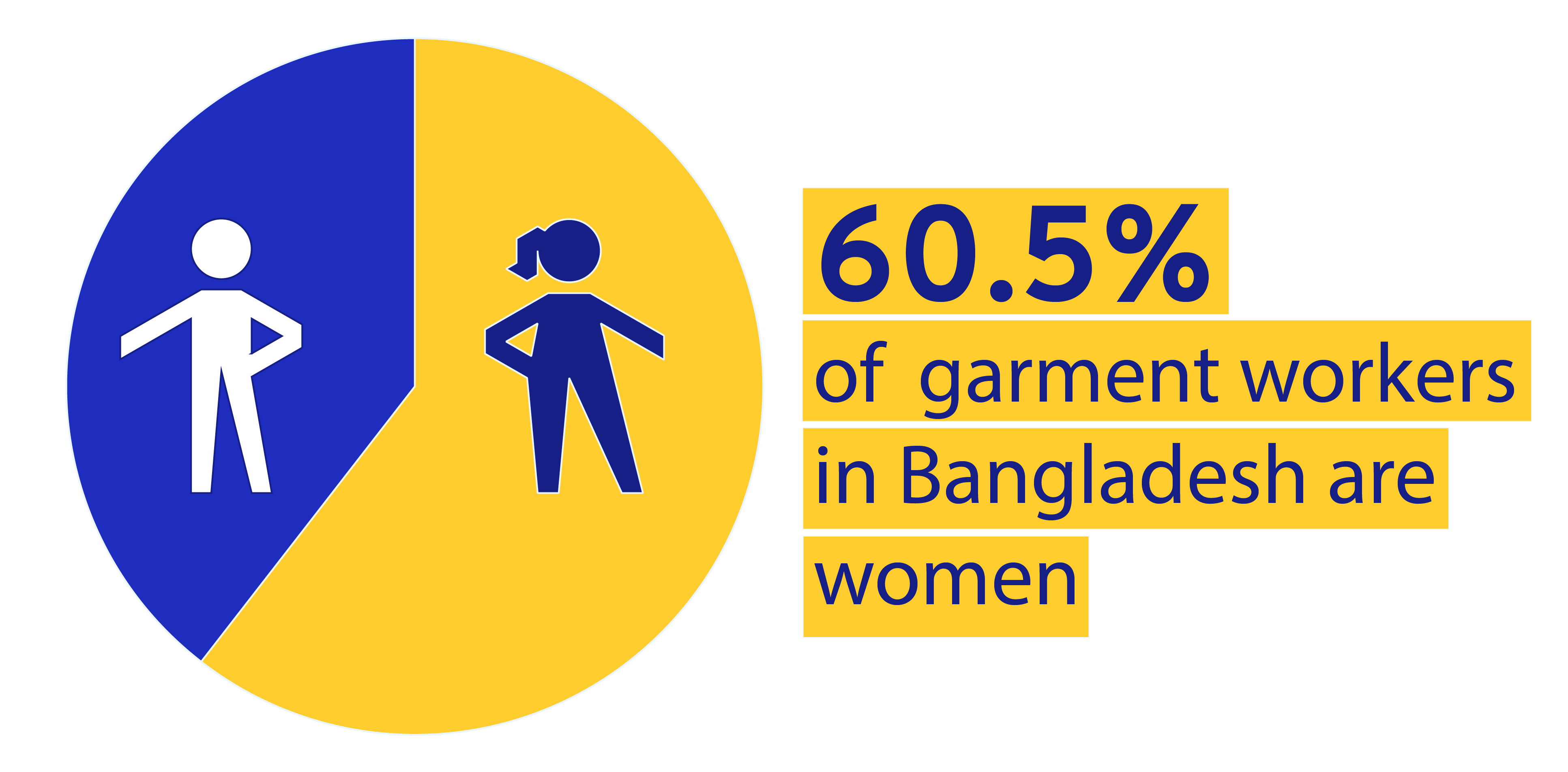
The typical worker in the ready-made garment sector is female, 23 years old, and an internal migrant from a rural area who lives with her family in inadequate housing near to work.  

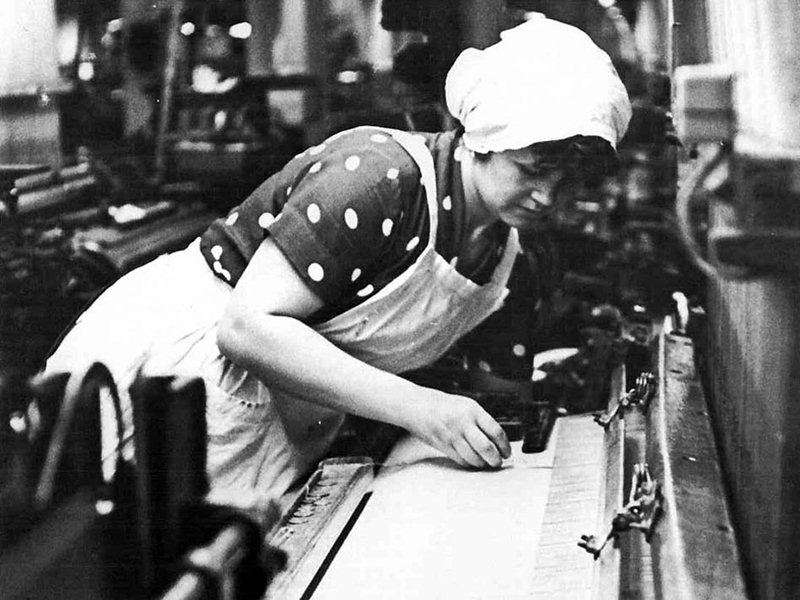
Workers in a Bangladeshi garment factory, April 2016. © ILO

Occupational safety and health is now a national priority

Following the Rana Plaza disaster, the first priority was to ensure that no other garment factories were at risk of a similar collapse.  

Work commenced in late 2013 to inspect the structural, electrical and fire safety of all export-oriented garment factories. The Bangladeshi government and the private sector led the assessment of 3,780 factories. 

Rana Plaza and the other industrial accidents suffered by Bangladesh brought home the urgent need to establish a culture of workplace safety in the country’s garment industry and beyond.  

Over the past 10 years, good progress has been made, such as the establishment of a National Occupational Safety and Health (OSH) Policy and a National Plan of Action.

Government, worker and employer representatives at an awareness rally marking World Day for Safety and Health. Dhaka, April 2019. © ILO

Safety at work: What still needs to be done?

Efforts to improve safety in the Bangladeshi garment sector have been strongly positive. However, industrial safety in other sectors remains a concern.  

Fatal accidents such as the recent Seema Oxygen Plant explosion in March 2023 have underscored the need for safety, enforcement and compliance in all industries to match progress made in the garment sector.

More needs to be done to ensure that OSH standards, guidelines and accident reporting protocols are understood and implemented at all levels. Further strengthening of the capacity of the Safety Committees, labour inspectorate and trade unions will be integral to this.  

Injured workers have the right to receive medical treatment and compensation

Following the Rana Plaza disaster, a major effort involving the ILO (as the neutral chair), national and international trade unions, employers and industry associations, brands and retailers, NGOs, development partners and the Government of Bangladesh represented by the Ministry of Labour and Employment saw compensation paid to family members of victims and injured workers. By October 2015, payments were complete, with over USD 34 million disbursed. 

In June 2022, the Government launched a pilot scheme that provides compensation in the form of a monthly income to permanently disabled garment workers or qualified relatives of those who died due to garment work-related accidents or occupational diseases. This scheme had the technical support of the ILO and the German cooperation agency GIZ. 

The road to recovery has been long and hard for Rana Plaza survivors. ILO and its partners helped survivors to gain new livelihoods skills and provided medical support, February 2018 © ILO

Insurance and compensation: What still needs to be done?

The launch of the pilot employment injury scheme is a major achievement and a positive legacy of the Rana Plaza disaster. To be a success, it requires full backing from the Government, employers and trade unions as well as transparency in its administration and operation.

If successful, it will lead to the introduction of a permanent statutory employment injury insurance scheme in Bangladesh that can be expanded from the ready-made garment industry to other economic sectors. 

Improved laws and stronger capacity to inspect workplace safety

Over the past ten years a number of changes to national laws have had a positive impact on workplace safety and labour rights.  

Together with the Tazreen Fashions fire just a year earlier, the Rana Plaza collapse highlighted the lack of adequate capacity to oversee industrial safety. 

In response, the Government initiated a major reform of the Department of Inspections for Factories and Establishments (DIFE) to empower it with more budget, status and staff. In collaboration with the ILO and other partners, the Government also embarked on an ambitious drive to significantly strengthen its planning and operational mechanisms. 

Whilst these efforts to strengthen regulatory capacity are ongoing, progress has been made, and the inspection service is more effective, credible and accountable. 

A safety officer inspects an electrical panel during a visit by DIFE officials, Dhaka, November 2021. © ILO

Laws and inspection: What still needs to be done?

Despite improvements, several provisions in the labour laws have yet to be aligned with international labour standards, as it was highlighted in a complaint made to the ILO in 2019. 

The Government has developed a National Action Plan for the Labour Sector that includes further labour law reform. The plan also includes steps for better handling of workers’ complaints, further strengthening labour inspectorate capacity ‒ including the recruitment of more labour inspectors ‒ and the effective transition of factory safety work to the Industrial Safety Unit. 

Efforts to improve labour rights

The Rana Plaza disaster brought into sharp focus the need for labour rights to be respected and for greater social dialogue between the Government, employers and trade unions. Whilst there has been progress over the past decade, the path has not always been smooth.  

The Bangladesh Labour Act was amended in 2013 to simplify the registration of trade unions, leading to a sharp increase in trade union numbers. As of 28 February 2023, there were approximately 1,201 registered trade unions in the garment sector; 97% of these were active.

Social dialogue has also been facilitated through the formation of a National Tripartite Consultative Council (TCC) as well as a TCC for the RMG sector. These two bodies, where the government members, employers and workers discuss a wide range of issues, have helped foster harmonious industrial relations and sustainable growth. 

Pushpa Rani Shaha gives a victory wave to fellow garment workers who recently elected her to the factory participation committee, February 2018. © ILO

Labour rights: What still needs to be done?

Despite the sharp increase in the number of trade unions, workers still face persistent issues concerning trade union registration, anti-union discrimination, unfair labour practices and violence. This prompted the adoption of standard operating procedures for the registration of trade unions as well as for the investigation and remediation of cases of unfair labour practices and anti-union discrimination.

The National Action Plan for the Labour Sector drafted in response to the 2019 ILO complaint, together with a subsequent roadmap, include measures to bring Bangladesh labour law into compliance with ILO standards on freedom of association and collective bargaining.

The ILO continues to work with the Government, employers and workers to help implement the National Action Plan and roadmap and to tackle the problems mentioned above.

Making a difference at factory level

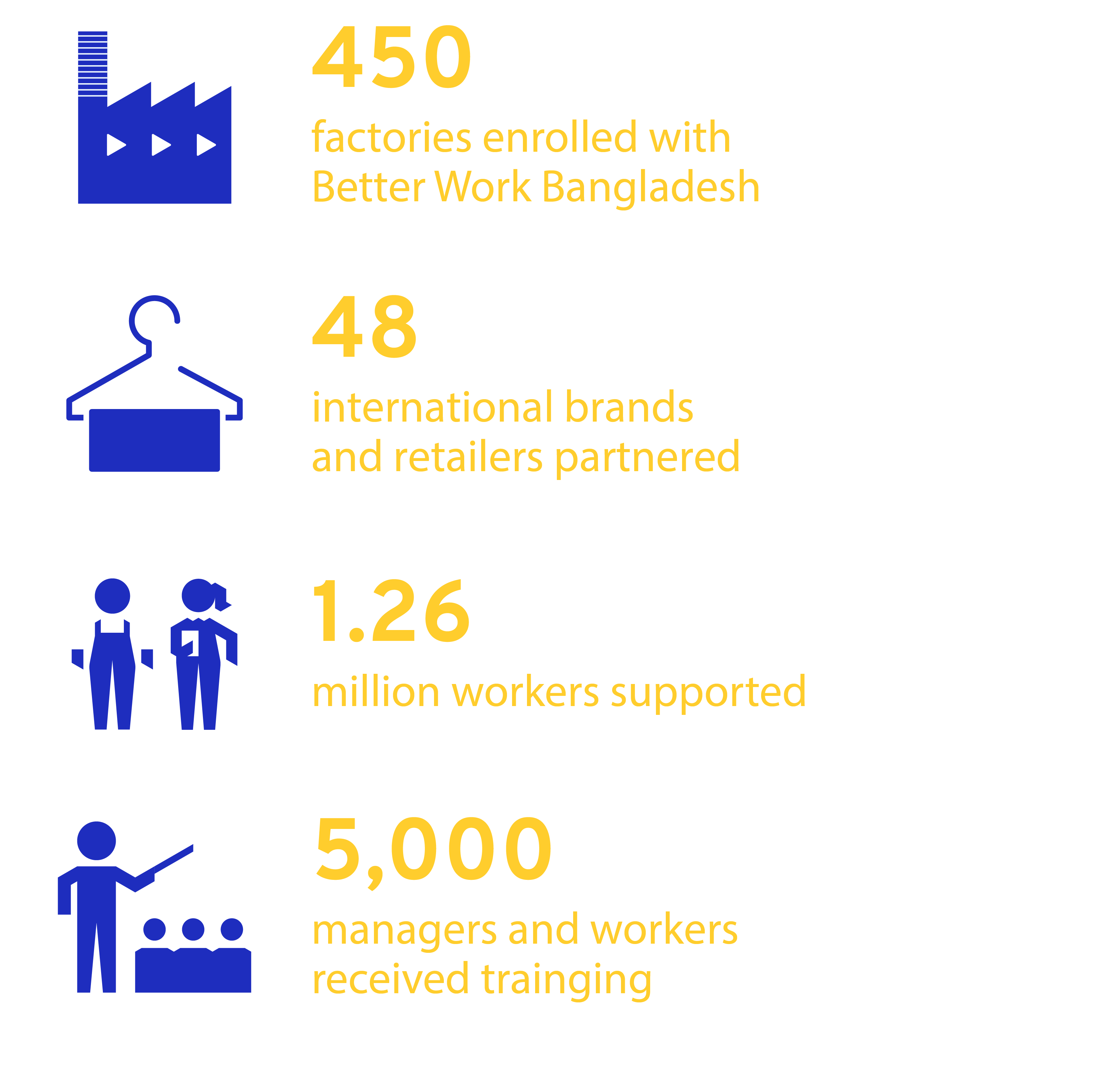
Better Work Bangladesh was launched in 2014 to help create a more competitive garment industry that provides decent jobs and improved conditions for workers and promotes good business for factories and brands. These goals work in concert to further economic development in the country. 

In Bangladesh, Better Work has helped garment factories steadily improve compliance with ILO core labour standards and national legislation, including coverage of compensation, contracts, gender inclusivity, OSH and working time.

Bangladeshi factories affiliated with Better Work continue to demonstrate improved worker-management dialogue, more effective management systems and a strengthened commitment to staff learning. 
 

Workers at a Better Work-affiliated factory in Bangladesh. More women in Bangladesh are making the jump from the sewing line to supervisory positions. 02/2018 © ILO

The challenges still to be met

There have been many achievements since the Rana Plaza collapse to improve safety and rights in the garment sector. However, much remains to be done. Top ILO priorities include: 

  • Further reform of labour laws in alignment with international labour standards  
  • Building on the good practices, lessons learned and progress made in the ready-made garment industry to enhance industrial safety in other priority sectors, for example through strategic compliance planning for labour inspections. 
  • Strengthened respect for labour rights in an environment where trade unions can operate freely and without harassment, where improved social dialogue between the Government, employers and trade unions takes place 
  • Better access to social protection for workers across Bangladesh, in all economic sectors 

ILO will continue to work with the Government, employers, trade unions, brands and retailers, civil society and development partners to build on the collective achievements and create workplaces that provide decent work for all.

Find out more

Workers arranging cloth at the cutting section of a garment factory, Dhaka. October 2022 © ILO

Results of the factory safety assessments

Some 3,780 actively exporting factories were assessed through a Government-led National Initiative supported by the ILO, and two brand-led initiatives, the Bangladesh Accord on Fire and Building Safety and the Alliance for Bangladesh Worker Safety.   

Between 2013 and 2015, 39 factories were found to pose imminent danger to the lives of workers and were immediately closed by the labour inspectorate. The remainder underwent a comprehensive process of remediation that saw a further 754 factories close. These efforts led to significant improvements in factory and worker safety.  

To ensure the continuation of safety efforts, industry stakeholders established the membership organization Nirapon in 2018 and a Readymade Garment Sustainability Council in 2020 to carry forward the accomplishments made with workplace safety. The Government also established an Industrial Safety Unit in 2022, charged not only with overseeing industrial safety in the readymade garment sector, but also in other priority economic sectors.   

Results of the factory safety assessments
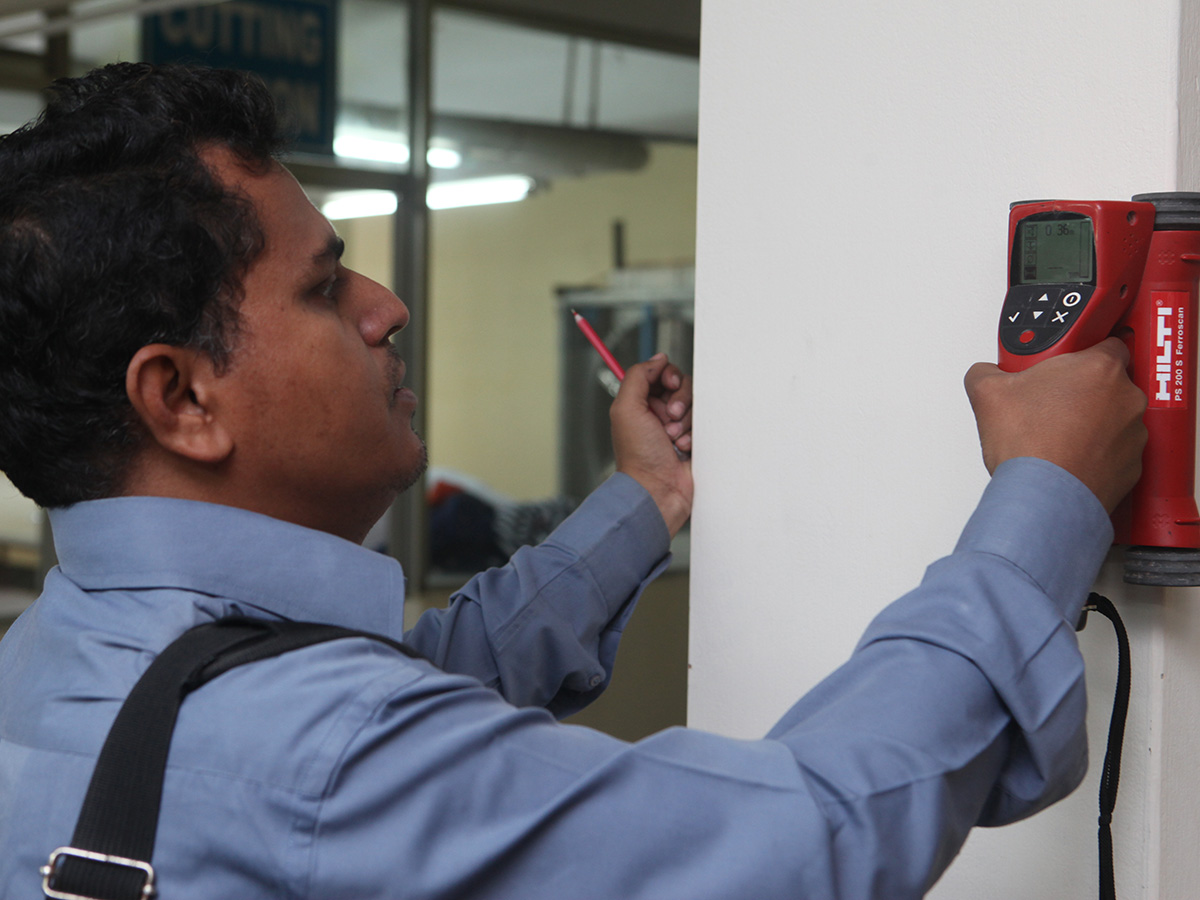
An inspector checks a concrete column in a garment factory in Dhaka, November 2013. © ILO

A new culture of workplace safety

The National OSH Policy and National Plan of Action has identified priority areas and directions for action for ensuring safe workplaces for workers and industries. 

With ILO support, the capacity of the Government, employers’ associations and trade unions is now stronger thanks to the training of management and workers on many aspects of safety and compliance. 

The amended Bangladesh Labour Act of 2013 raised the need for Safety Committees to be established in factories of over 50 workers. These Committees bring together management and workers to help create and maintain safe workplaces. To date, some 6,000 Safety Committees have been formed in garment factories and other economic sectors. 

To further promote and build a culture of workplace safety, a National Occupational Safety and Health Day is now officially celebrated across Bangladesh on 28 April each year.  

A new culture of workplace safety
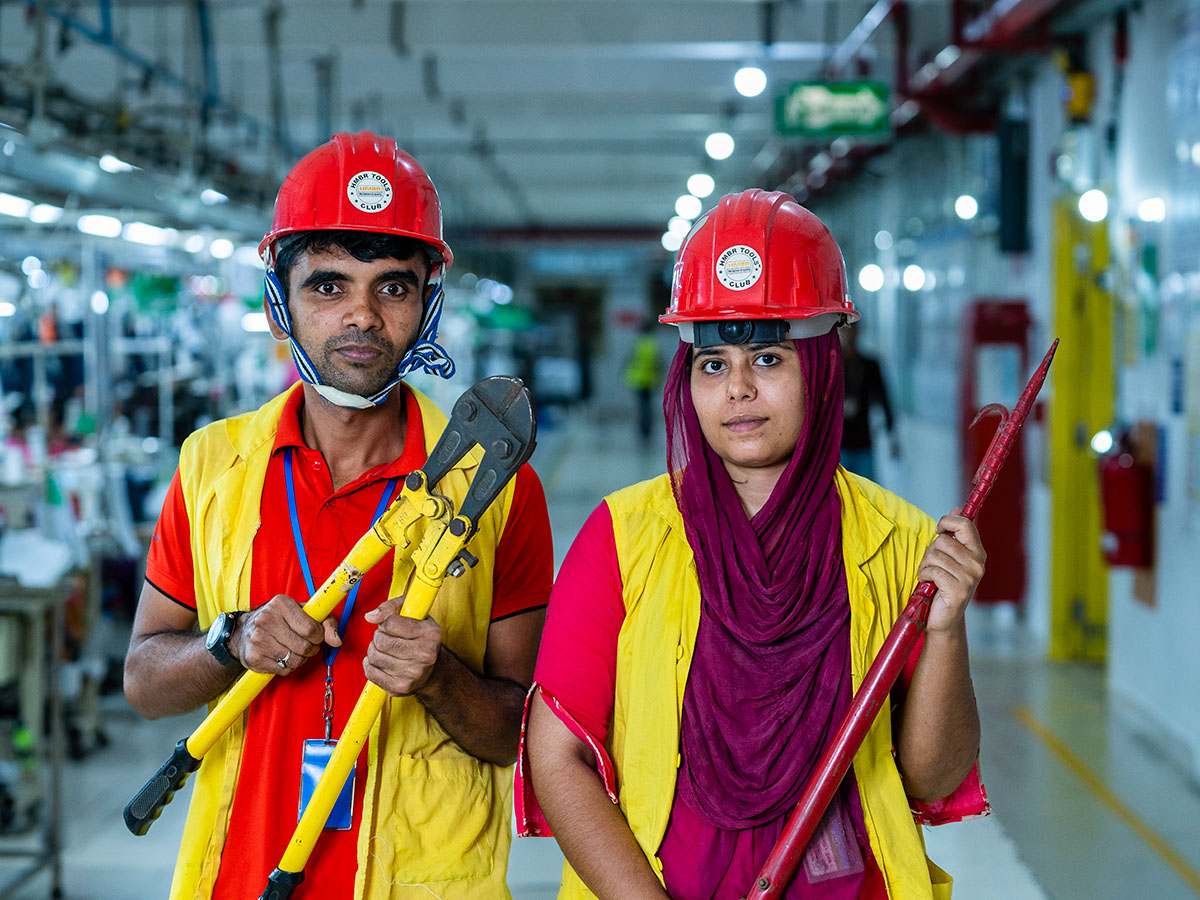
Safety committee members participate in a garment factory fire safety awareness session that covered understanding of firefighter tools, Dhaka, October 2022. © ILO

Key changes to national law

Changes to key legislation have had a positive impact on workplace safety and labour rights.

Amendments to the Bangladesh Labour Act and the Bangladesh Labour Rules (which guide the application of the Labour Act) and the adoption of the Bangladesh Export Processing Zones Act have helped improve workplace safety and labour rights in the following ways: 

  • Introduction of the obligation to establish Safety Committees in factories that have over 50 workers 
  • Reduction of the minimum membership requirements to form and register a trade union 
Key changes to national law
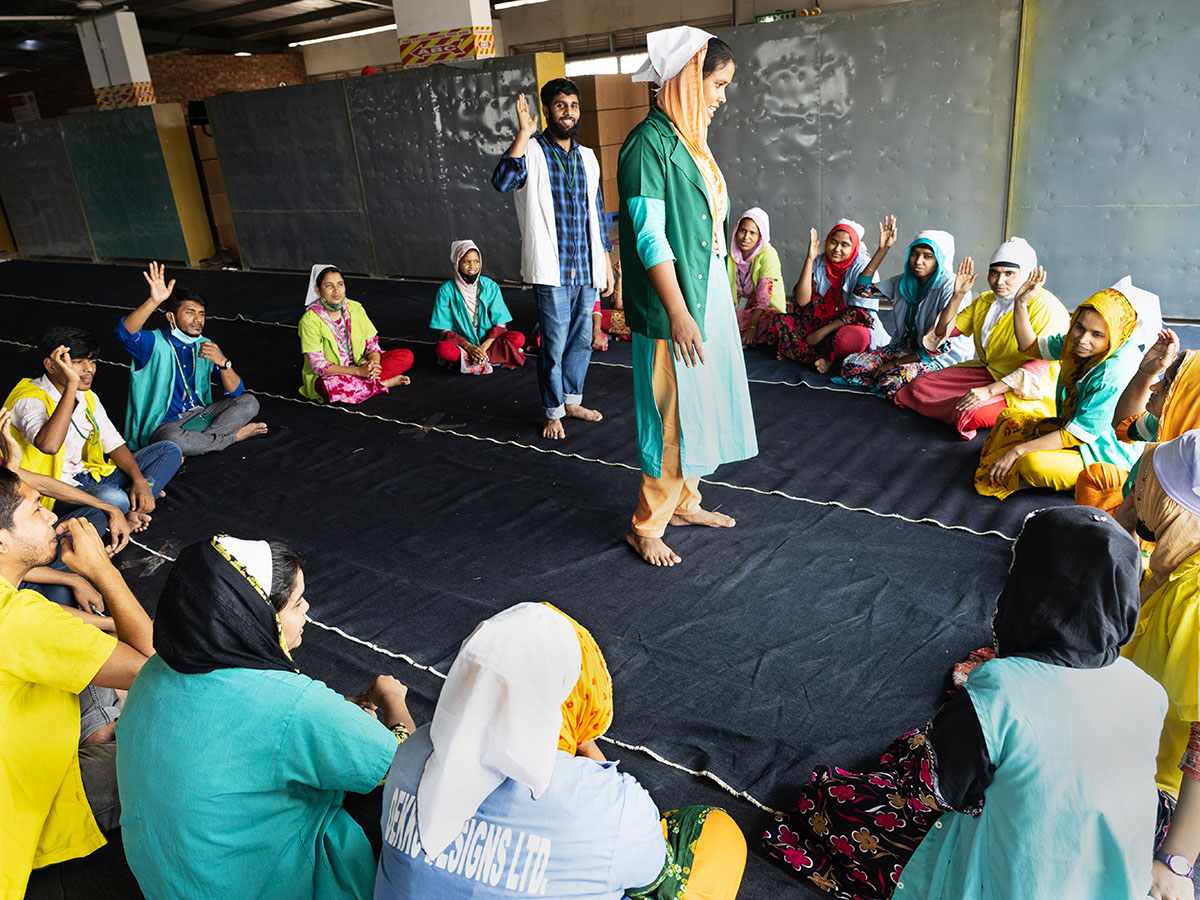
Garment workers at a ready-made garment factory participate in a fire prevention workshop. April 2023. © ILO / Naymuzzaman Prince

Growth and modernization of inspection capacity

The past decade has seen considerable growth in inspection capacity. The Department of Inspections for Factories and Establishments (DIFE) has increased the number of inspectors from 92 to 393, and the Bangladesh Fire Service and Civil Defence (BFSCD) has increased its inspectors from 55 to 365.  

Planning and operational mechanisms have been significantly strengthened. As part of the reform effort, new and existing DIFE and BFSCD officials received comprehensive training. BFSCD was featured in a 2021 global compendium of good practices that recognized its efforts to build a culture of workplace compliance.  

Modernized systems, such as the Labour Inspection Management Application (LIMA), launched in 2018, and an online fire licence platform, are enhancing transparency, creating real-time data and streamlining processes.  

Growth and modernization of inspection capacity
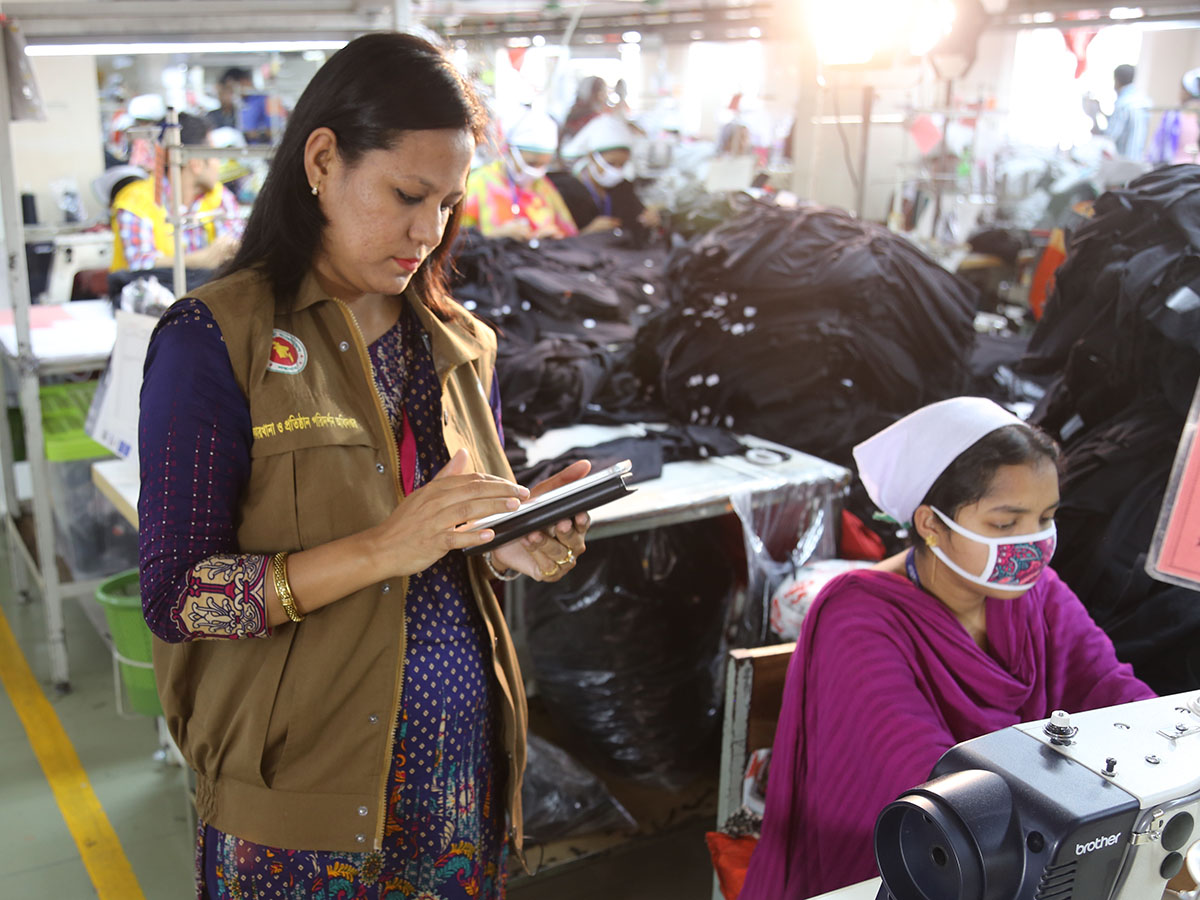
DIFE labour inspector in a garments factory, Dhaka, February 2018. © ILO

More gender-inclusive regulation and enforcement

With women making up over 60% of the garment workforce, important steps have been taken to make regulatory and enforcement efforts more gender-responsive:  

  • More women labour inspectors recruited: from 11% of the total in 2013 to 21% in 2023 
  • A 10-year Gender Roadmap (2020-30) developed by the labour inspectorate  
  • Sexual harassment-related questions and definitions incorporated into the Labour Inspection checklist and Bangladesh Labour Rules 
  • All labour inspectorate officials trained on gender equality issues  
More gender-inclusive regulation and enforcement
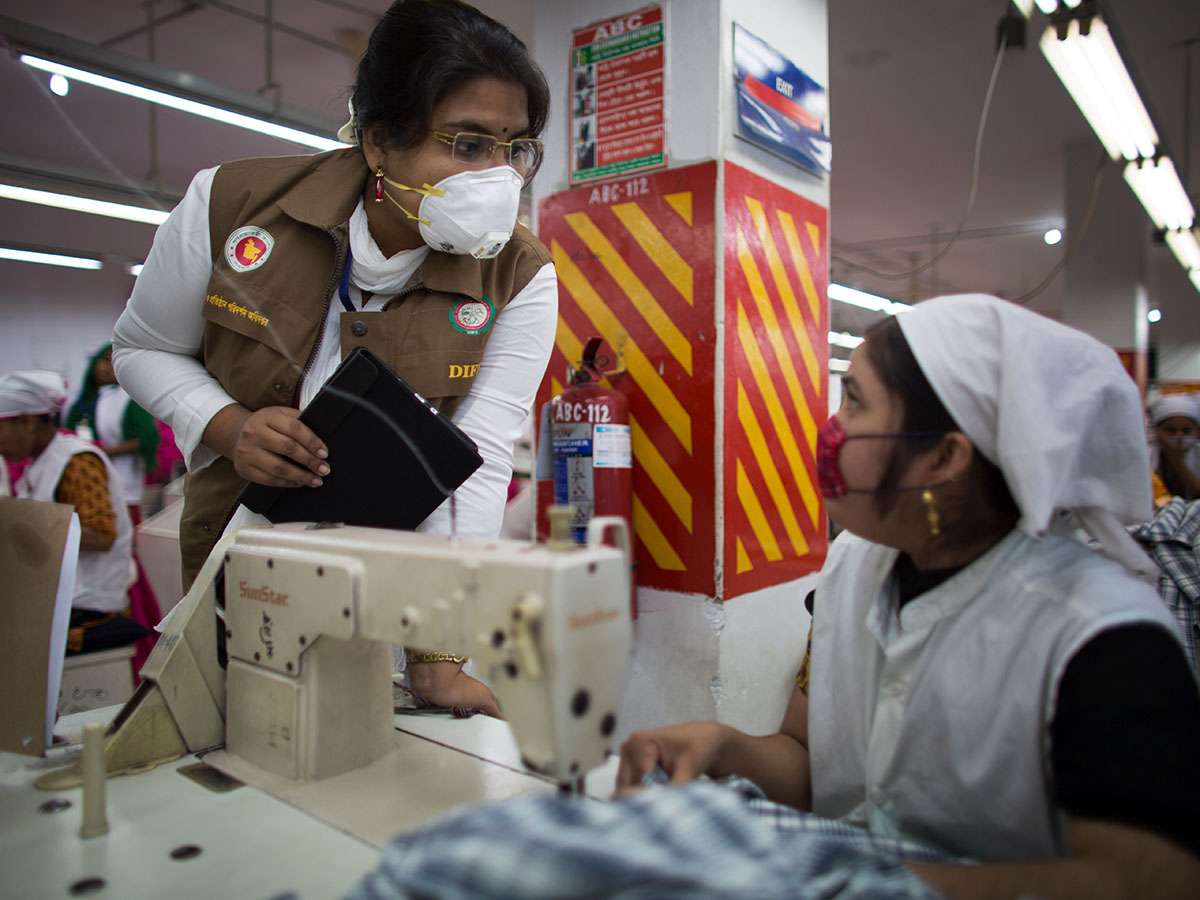
A labour inspection in progress. An increase in women labour inspectors has helped facilitate interaction with the mainly female garment workforce. Dhaka, February 2018. © ILO

A platform for workers' voices

The Workers Resource Centre, a joint platform of the National Coordination Committee for Workers Education and the IndustriALL Bangladesh Council launched in 2018, serves as a one-stop shop for workers needing information, education and assistance on labour-related grievances.  

With ILO technical support, the Centre promotes social dialogue and non-litigious dispute prevention and resolution, and helps trade unions and their members to operate more efficiently. 

Support to women in the garment workforce

Better Work Bangladesh has a specific focus on improving working conditions and opportunities for women: advancing their productivity and career progression, eliminating discrimination, and improving their health and safety. 

Initiatives like Gender Equality and Returns have helped 395 female sewing machine operators to be promoted to supervisory positions. Better Work Bangladesh, in collaboration with UNICEF through the Mothers@Work programme, has also advanced breastfeeding and maternity rights for working mothers in 103 garment factories, covering over 6,500 pregnant and lactating mothers and 12,000 children under the age of two globally. The programme has been a primary contributor to improved conditions for working mothers in areas including maternity leave, childcare, employment protection and medical benefits.  

Due to these collaborative efforts to raise awareness of gender equality and maternity protection, workers in Better Work-affiliated factories are more likely than their counterparts outside the programme to know about their statutory rights to maternity leave ‒ and their workplaces are 10% more likely to offer maternity leave in line with legal regulations. 

Support to women in the garment workforce
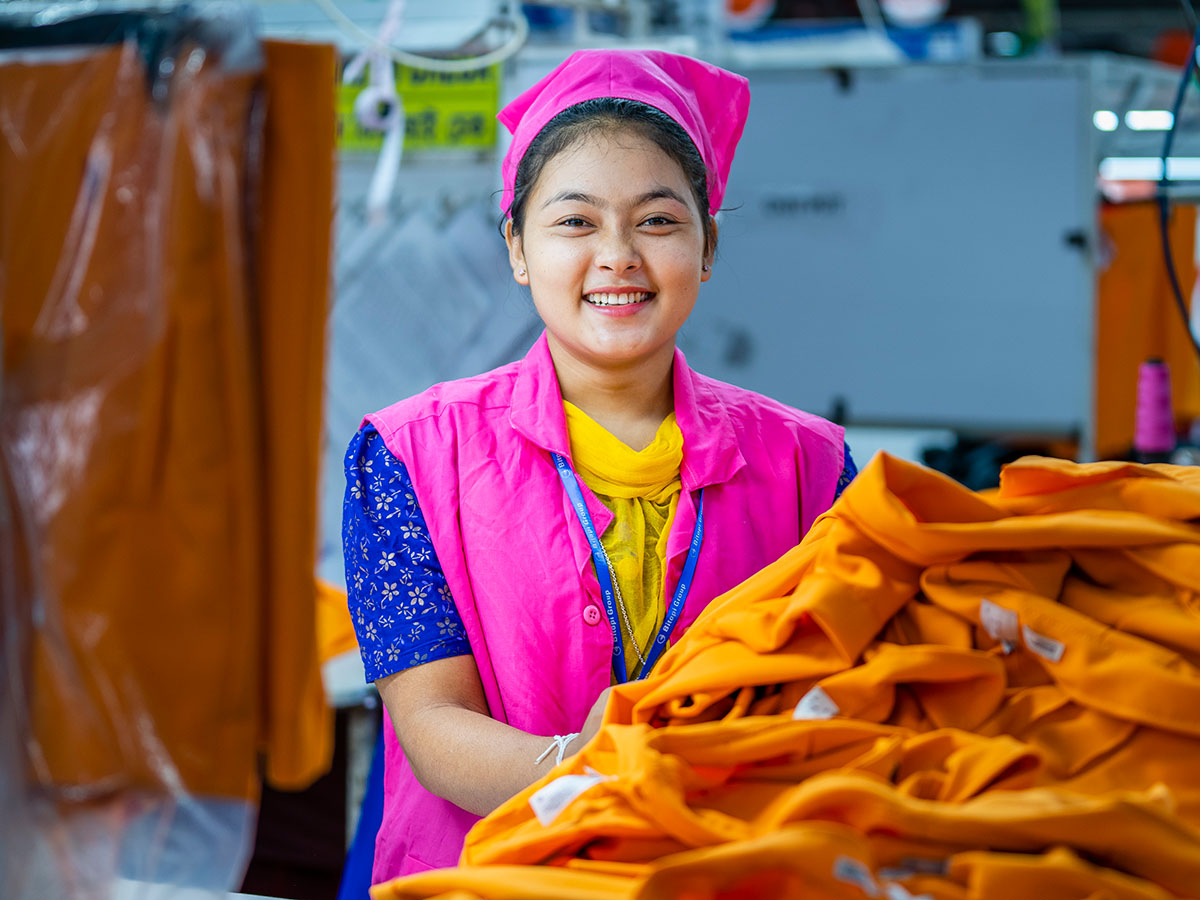
A worker engaged in quality control of garment products in a Better Work supported apparel manufacturing factory in Manikganj, Bangladesh. 10/2022. © ILO

Dialogue on the factory floor

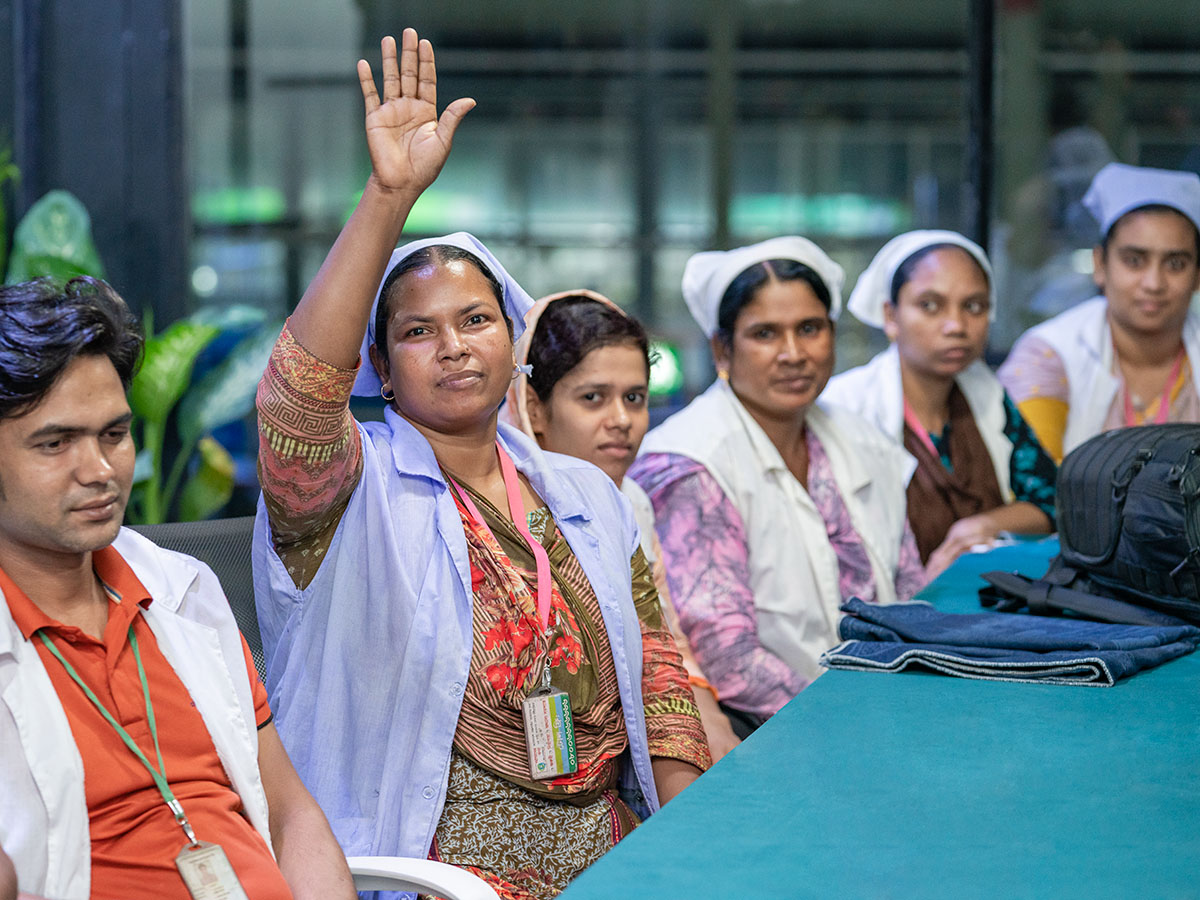
A key tenet of the Better Work programme is promoting dialogue in factories and building harmonious relations among management and worker representatives. Worker-manager committees are one way to promote social dialogue, give workers more voice, and prevent or remediate conflicts.  

Through its promotion of fair and free elections for worker-management committees in affiliated factories, Better Work Bangladesh has helped over 211,000 workers vote to elect 1,400 representatives, 43% of whom are women (Better Work monitoring data). Workers in Better Work firms are 13% more likely than workers in non-enrolled factories to report an active participation committee in their factory. 

Dialogue on the factory floor
Members of the participation committee at a meeting in a garment factory in Manikganj, Bangladesh. 10/2022. © ILO

We use cookies to give you the best experience. By using our website, you consent to the use of cookies. Find out more in our privacy policy.